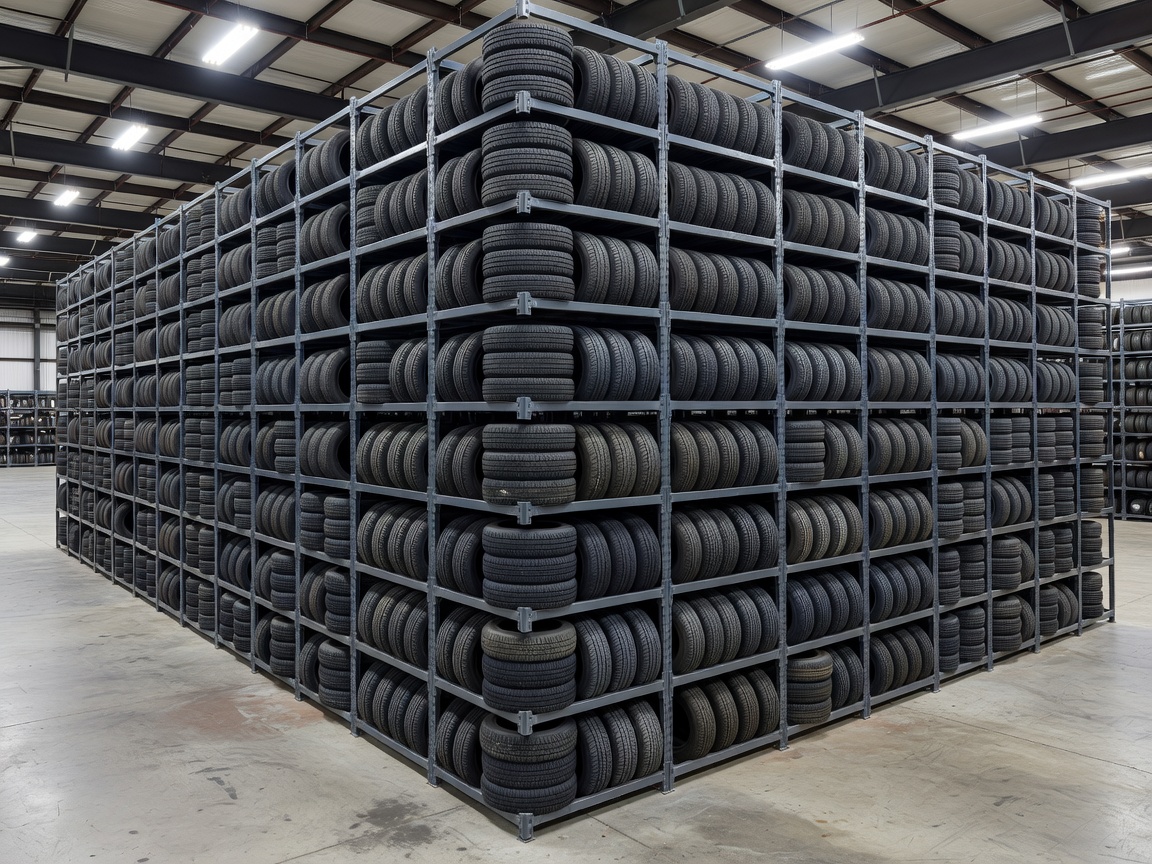
Track sets, not just quantities
A count of tires rarely tells the whole story. A useful inventory record links a set or individual tire to a vehicle, fleet group, season, location, condition note and current status. That makes availability more honest. A set reserved for a future appointment is different from an unallocated set, and a set awaiting inspection should not appear ready simply because it is physically present.
We recommend agreeing a small vocabulary before changing tools. Terms such as available, reserved, picked, in transit, at workshop, fitted, returned and exception should have one meaning across locations. Consistency is often more valuable than a complicated interface that every team uses differently.
Choose the right level of detail
Some operations need individual tire identification because axle position, condition or compliance records matter. Others can work primarily with set-level records and retain individual markings only where required. The choice depends on fleet structure, storage practice, inspection needs, workshop process and how often sets are split or rebuilt.
Inventory reviews should compare the record with the physical location. A cycle check can focus on recently moved sets, high-priority fleet groups or locations with frequent exceptions. Discrepancies should be resolved with a reason, not silently overwritten, so recurring process issues become visible.
Manual register or connected system?
Structured manual register
Useful when: the operation is smaller and disciplined review is possible.
Trade-off: duplicate entry and delayed updates can reduce confidence.
Connected inventory system
Useful when: several sites, movements and users need shared status.
Trade-off: setup, permissions and data standards require ongoing care.
Inventory control checklist
- Define fields and status names before migration.
- Assign a single owner for location and allocation accuracy.
- Record exceptions with a reason and next action.
- Reconcile physical moves at dispatch and receipt.
- Review inactive or unresolved records regularly.